

1. Pre-production:
When embarking on a new project, it is crucial to ensure that all of your needs and objectives are met with high-quality workmanship from start to finish. For particularly complex or customized projects, we typically begin by confirming a sample before moving on to mass production. This allows us to assess the quality of our work and make any necessary adjustments in order to guarantee that your final product meets your expectations.
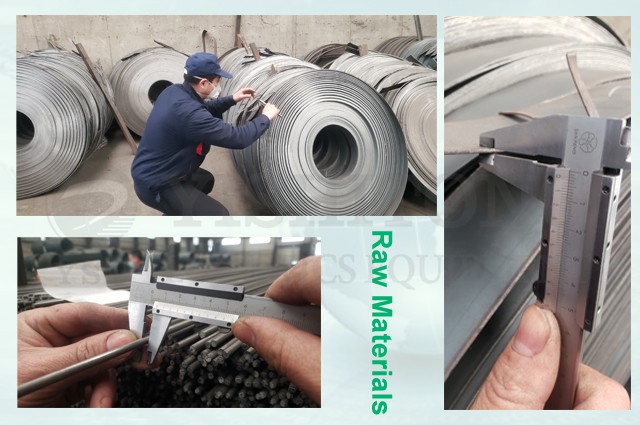
2. Raw Material:
When it comes to buying raw materials the production, we know that only the highest quality is good enough. That's why we work with one of the largest factories in China, ensuring that all the materials we use are of the highest quality and meet our exact specifications. Our expert team also does a thorough check of every order before processing it to ensure that each piece meets the rigorous standards. With our strict adherence to quality, you can trust YST to deliver high-quality products for any application.
3. Components Inspection:
At every stage in the production process, the components used in our manufacturing system are carefully inspected for quality assurance, size consistency, and proper fit. This ensures that all of the parts that we produce meet our high standards of quality and will be able to be assembled seamlessly at later stages in production. Additionally, this also helps to prevent any errors or issues from occurring along the way, helping to keep our manufacturing operations running smoothly and efficiently. Thus, by conducting careful inspections at every step of the way, we are able to ensure that we always deliver high quality products that meet and exceed our customers' expectations.

4. Semi-finished Product:
Semi-finished products usually need to be inspected before they can be considered finished. This is because there is a potential for defects that could cause the entire order to be affected. The inspectors measure the sizes and angles of the products based on the drawings. This helps to identify any defects so that they can be fixed before the entire batch is produced. This saves time and money for the production company.
5. Finished Products Inspection:
The inspectors will take into account various criteria including dimensions, loading capacity, welding condition, surface finish, and disassembly/assembly flexibility. A thorough inspection report must be provided prior to packaging, to ensure that all finished products meet quality standards. This process is designed to help prevent any defects or discrepancies that could affect the performance and safety of the finished product.

6. Package Inspection:
Package inspection is an important process that ensures the safety of products during transport. Before loading, inspectors will check to make sure that there are no issues with product amount and packing conditions (packing methods, specifications, tightness). This is to ensure that everything is safe enough for transportation and unloading, and to prevent any accidents on board during sea journeys.

7. Container Loading Inspection:
When it comes to shipping goods via container, it is important to ensure that the containers used are structurally stable and free of damage. This involves inspecting the locking mechanisms as well as checking for signs of wear or other damage. In addition, it is essential to confirm that the quantities of products ordered have been correctly and securely loaded into the container. This will help minimize breakage and maximize space utilization, reducing the risk of incorrect quantities being shipped to your desired destination. By conducting a thorough container loading inspection, businesses can rest assured that their goods will arrive at their destination safely and in good condition.

